
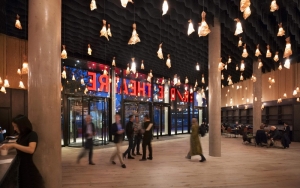
Bridge Theatre
The Bridge Theatre is London's first new commercial theatre of scale for four decades. The 900-seat auditorium is the flagship home of the London Theatre Company, with Nicholas Hytner and Nick Starr, who led 12 years of artistic and commercial success at the National Theatre, at its helm.
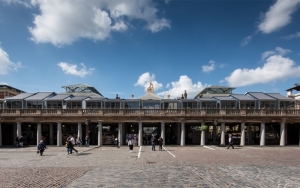
Covent Garden Opera Terrace Restaurant
The project involved the sensitive upgrade of an existing restaurant facility on Covent Garden’s famed Opera Terrace within the historic Grade II*-listed Market Building.
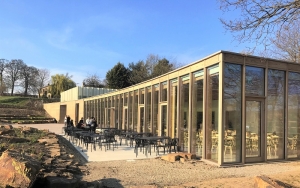
The Weston, Yorkshire Sculpture Park
Sustainable centre within a historic landscape
A new centre with a unique, low-tech environmentally controlled and daylit gallery; restaurant, commercial kitchen and retail space. Heated by an air source heat pump and wastewater dealt with on site including a biodiverse swale system. Shortlisted for the Stirling Prize 2019.
Founded in 1977, the park is set in a former quarry on the estate of the 18th-century Bretton Hall. It was the first of its kind in the UK and remains the largest in Europe. The open-air gallery features works by renowned artists such as Henry Moore and Barbara Hepworth.
To enhance visitor experience and address reductions in public funding, a new visitor center was completed in 2019. Designed by Feilden Fowles, the 2016 Young Architect of the Year, the centre harmonises with the historic landscape while providing space for temporary exhibitions of 20th- and 21st-century artworks.
Skelly & Couch carried out full services design at the high-profile cultural destination, where the building’s internal climate is optimised for natural control as much as possible. Confronted with a site having no gas or drainage connections, a limited electrical supply and restricted services routes and zones around the building, some inventive engineering solutions were required.
Natural ventilation, solar control glazing and a green roof prevent overheating, ensuring a comfortable indoor environment. Inside the gallery, 10,000 unfired clay bricks form an innovative low-energy environmental control system that maintains optimal internal conditions and significantly reduces the reliance on air conditioning.
Complementing this, a sophisticated control system and humidity buffer—incorporating hygroscopic materials—work alongside a standard thermal wheel heat recovery unit to regulate temperature and humidity. A highly efficient scheme was developed using an electric heat pump to deliver both heating and domestic hot water to basins, eliminating the need for conventional hot water flow and return systems and thereby reducing energy consumption by over 50%. Additionally, underfloor heating provides a consistent sense of warmth throughout the space, even during periods of high visitor traffic and cold weather outside.
Designed with sustainability at its core, The Weston preserves the integrity of its setting while enhancing visitor comfort, engagement, and the Park’s cultural offering.
Awards
2019 – RIBA Stirling Prize Finalist
2019 – RIBA National Award
2019 – RIBA Yorkshire Award Winner
2019 – RIBA Yorkshire Building of the Year
2019 – RIBA Yorkshire Client of the Year
2021 – Civic Trust Award Winner
2021 – Civic Trust Awards Regional Finalist (Yorkshire & Humberside).
2022 – EU Mies van der Rohe Award Nomination. It was one of 18 projects longlisted in the UK, among 449 works in 41 countries featured.
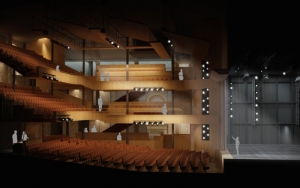
Hall for Cornwall
The project involved the full refurbishment of all public parts of the BREEAM ‘Very Good’-rated Hall for Cornwall and the creation of a new multi-layered auditorium, which reveals the stunning historic fabric of the building to maintain its core cultural purpose to entertain.
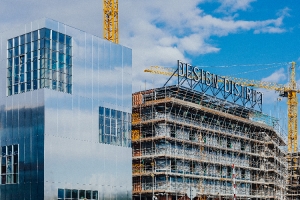
Greenwich Design District
Skelly & Couch is contributing robust environmental engineering to all 16 buildings of a new and pioneering creative hub on the Greenwich Peninsula. The Peninsula is London's largest single regeneration project.
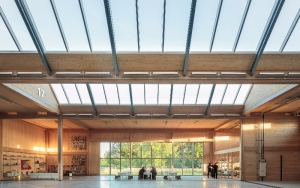
Vitsœ
The project is the development of a truly universal and multi-functional building for iconic British furniture manufacturer, Vitsœ, a company renowned for its single-minded commitment to responsible design since it was established in 1959.
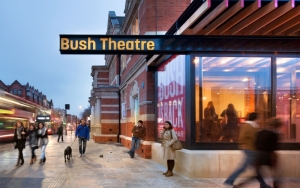
Bush Theatre
This long-running project with the Bush Theatre has achieved gradual improvements to the building over 6 years, and Phase 2 continues the integration of new with existing services.
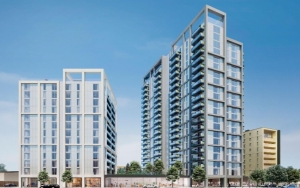
Abbey Place - HUB Group
Abbey Wood is a landmark new development of apartments, commercial space and public realm in the London Borough of Greenwich.
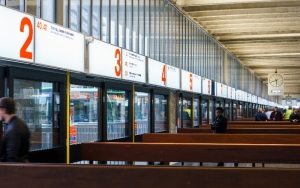
Preston Bus Station
Preston Bus Station, designed originally by BDP and completed in 1969, is a renowned, Grade II-listed Brutalist building, which Skelly & Couch has helped to return to its former glory through modern technologies and sensitive refurbishment techniques.
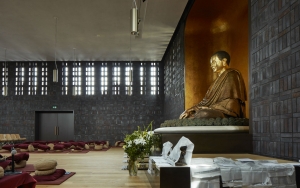
Vajrasana Buddhist Retreat Centre
The competition to refurbish and extend the Vajrasana Buddhist Retreat Centre transformed the original retreat – a makeshift collection of farm sheds in the heart of the Suffolk countryside – into a modern haven of spirituality.